1. Eye-to-eye
The distance between mounting centers with the rear suspension unweighted and the shock fully extended.
Fitment guide
Find a compatible replacement rear shock by confirming your current shock's eye-to-eye length and stroke, plus your frame's mounting hardware dimensions.
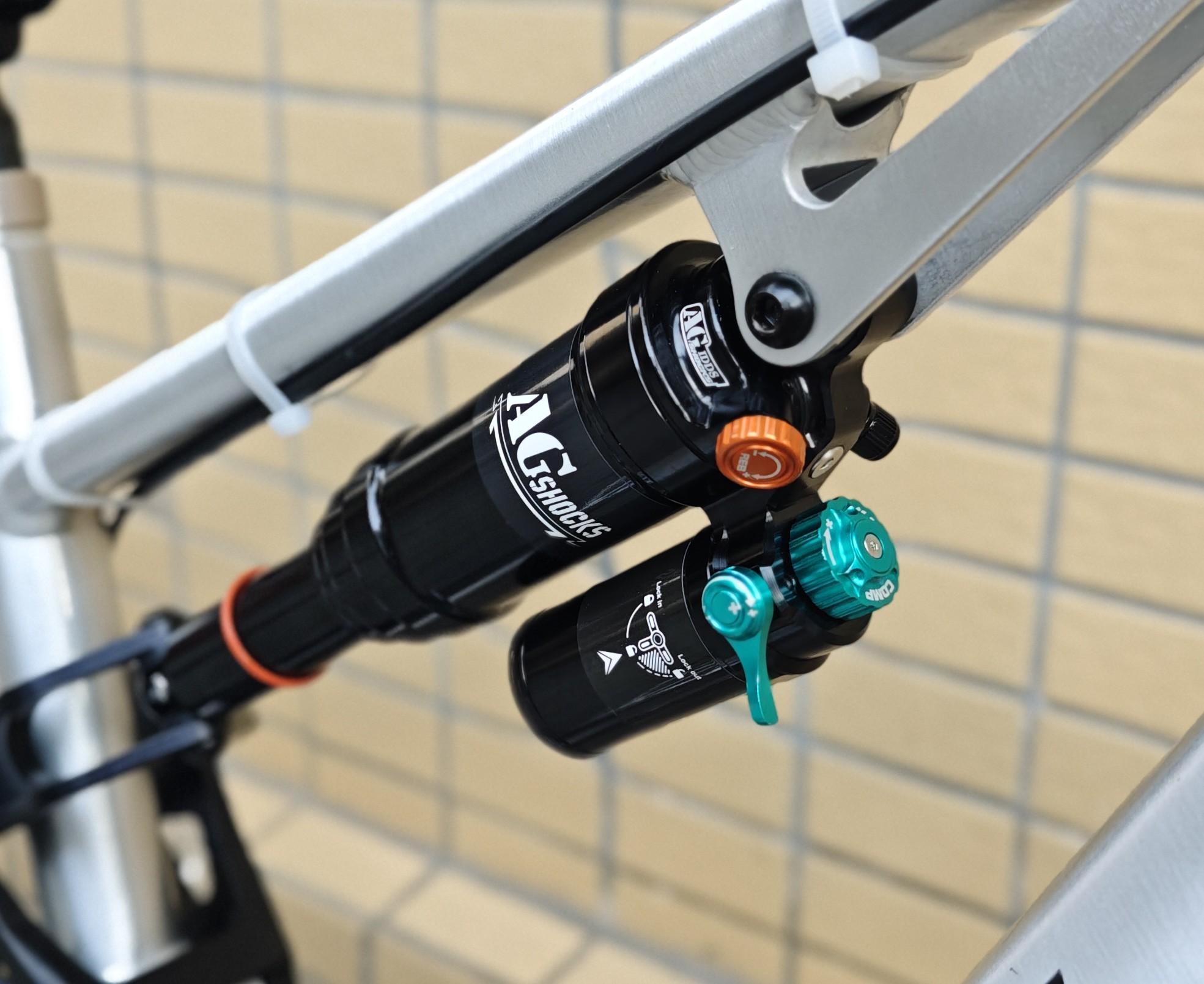
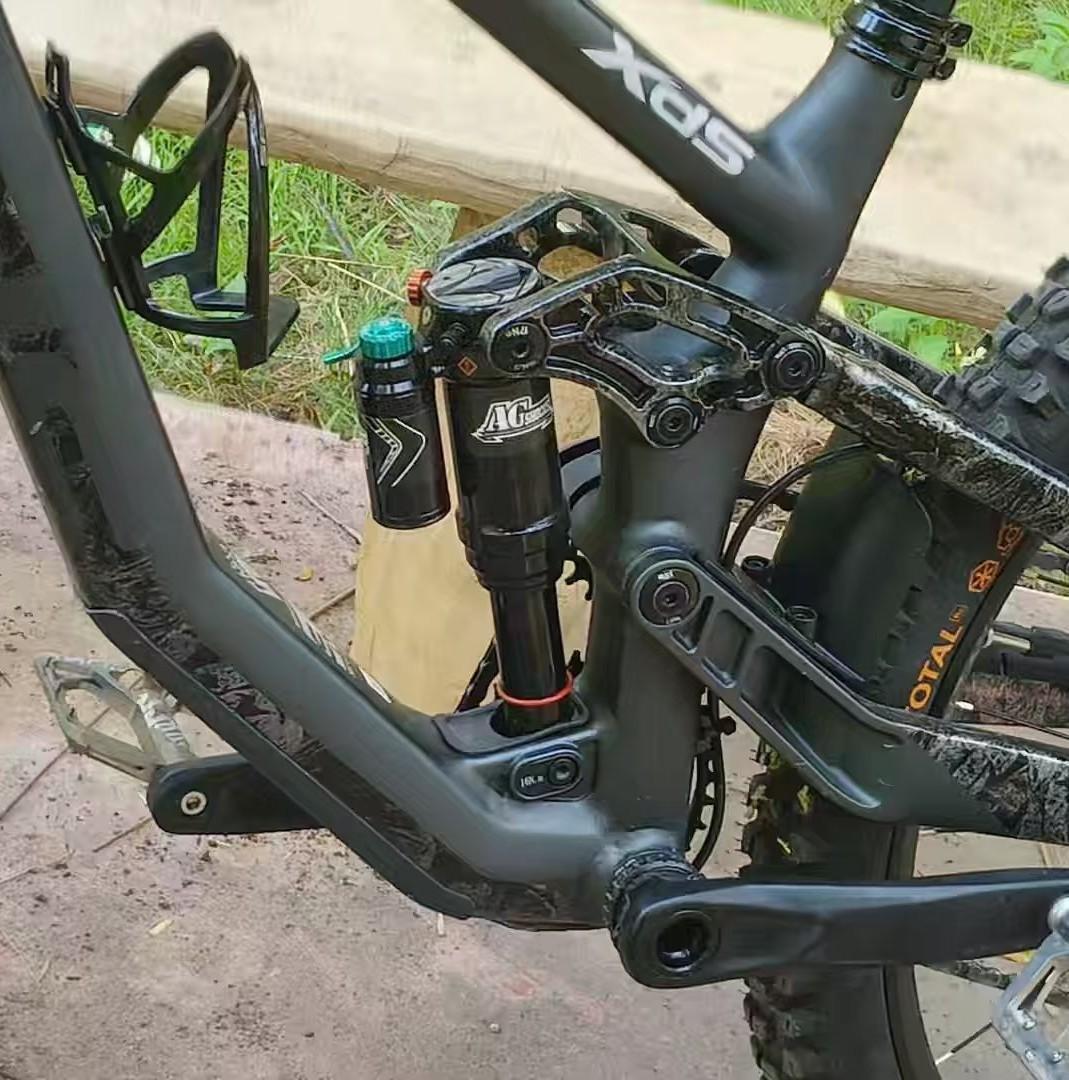
Start here
The distance between mounting centers with the rear suspension unweighted and the shock fully extended.
The damper's maximum compression distance. It must match the frame's specified shock stroke.
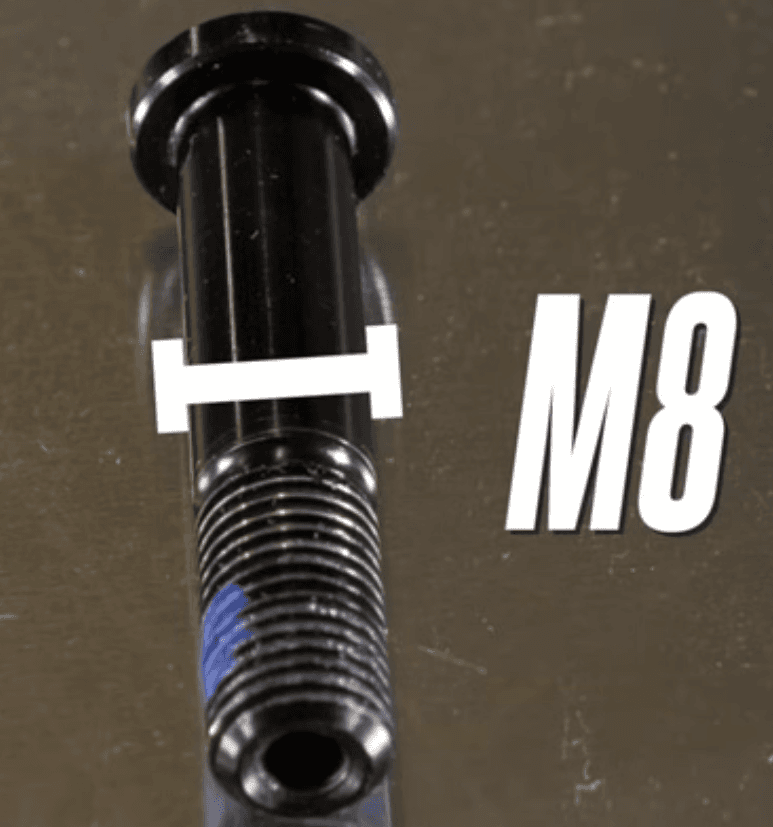
The bolt diameter and mounting width at each end of the shock. Measure upper and lower independently.
1. Confirm the frame specification
Before taking measurements, check the frame's official technical documents. Manufacturer archives, exploded diagrams, and small-parts PDFs are the most reliable source for specified shock dimensions and mounting widths.
Do not use information from a different model year. Suspension layouts and shock dimensions can change within the same model name.
2. Identify your current shock
Use the frame manufacturer's specified values when available. Otherwise, measure your current shock in millimetres with the rear suspension unweighted and the shock fully extended.
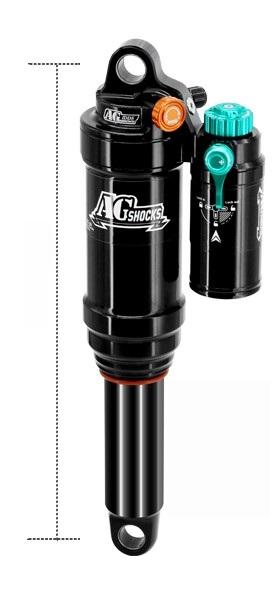
M3 / Standard eyelet
On your current standard-eyelet shock, measure from the exact centre of the upper mounting bolt to the exact centre of the lower mounting bolt. This is the eye-to-eye length.
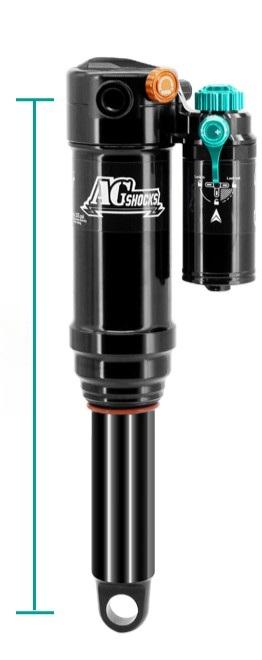
M6 / Trunnion mount
On your current trunnion shock, measure from the centreline of the upper threaded side-mounting holes straight down to the centre of the bottom eyelet.
3. Identify the current stroke
Shocks with the same eye-to-eye measurement can have different strokes. First, check your frame's specification or your current shock's printed size or factory decal. If neither is clear, measure your current shock fully extended, then fully compressed. The difference between those two lengths is the stroke.
Stroke affects suspension kinematics
Do not use a longer-stroke replacement as a travel upgrade. Even if everything clears while the bike is stationary, the frame can flex under hard riding and still make contact. Match the frame manufacturer's specified eye-to-eye and stroke exactly.
4. Identify mounting hardware
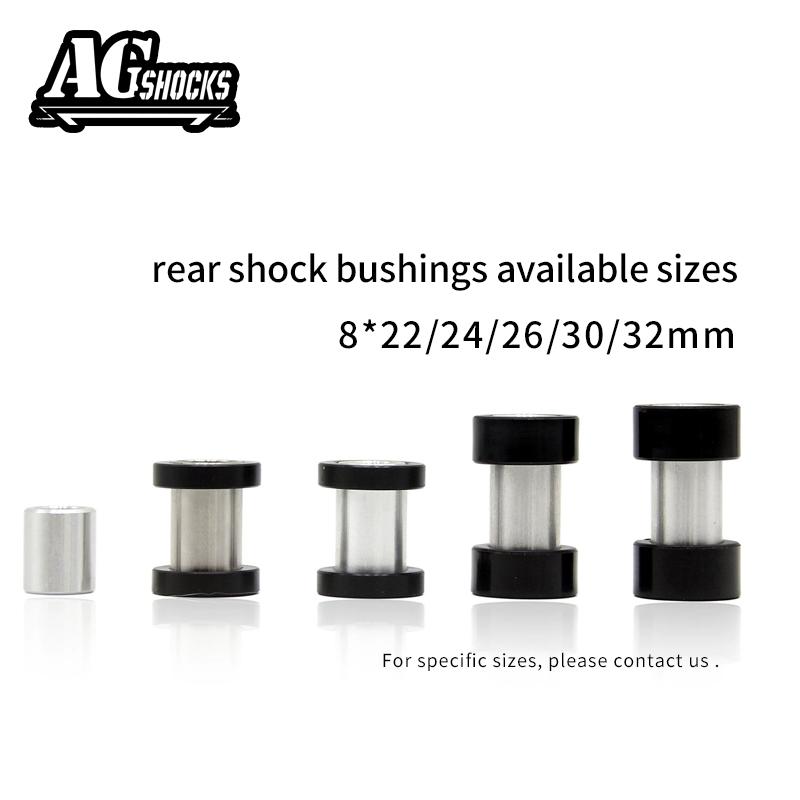
Check the frame manufacturer's specification first. If it is unavailable, use the existing mounting hardware as a reference: measure the bolt's outside diameter or the centre sleeve's inside diameter.
Then measure the bushing width from end to end at each frame mounting point. Upper and lower mounts can differ, and trunnion mounts use threaded side mounts rather than standard-eyelet hardware.
You may be able to reuse existing mounting hardware if it matches the replacement shock's interface and your frame's required bolt diameter and bushing width. Inspect it for wear or damage, and confirm both mounts separately.
Use the hardware width specified for your frame. Do not force hardware that does not install freely.
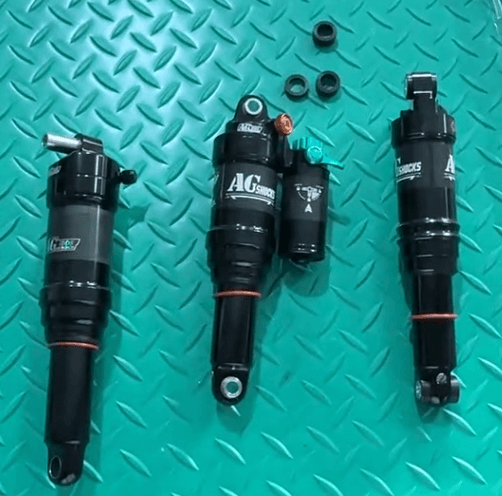
Before reserving
Keep the frame's official document with these notes before selecting a compatible replacement shock. You will need the current shock's dimensions and the hardware dimensions at each mount.